

· Updated
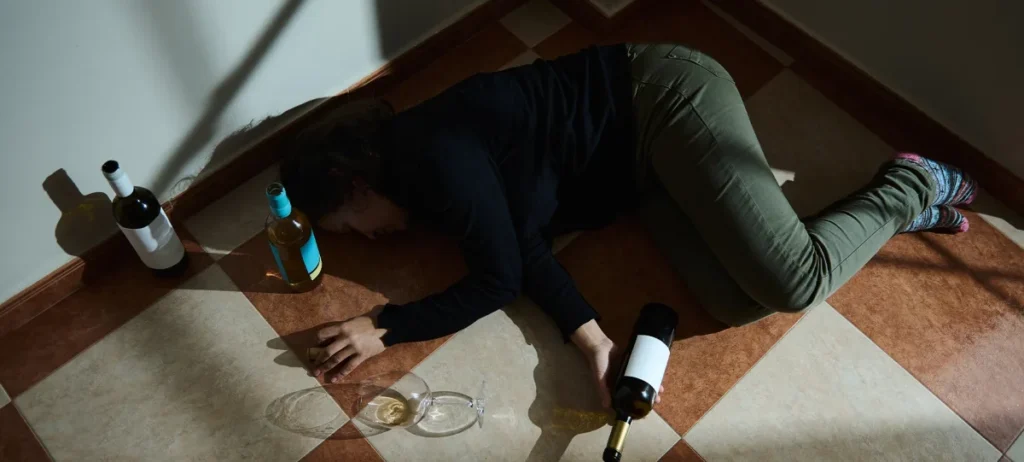
Alcohol withdrawal can begin sooner than many people expect. For someone who has been drinking heavily or regularly, symptoms may start within hours of the last drink and can become more serious over the next three days.
The first 72 hours matter because this is often when symptoms build, peak, or become medically risky. Some people experience mild discomfort, while others face complications such as seizures, hallucinations, severe confusion, or delirium tremens.
This alcohol withdrawal timeline explains what may happen in the first 72 hours, why symptoms can change quickly, and when professional detox support is the safer choice.
Related Article: What Are the 5 Signs of Alcohol Poisoning
What Is Alcohol Withdrawal?
Alcohol withdrawal happens when the body has adapted to regular alcohol use and then has to function without it. The brain and nervous system have been working around alcohol’s effects, so stopping suddenly can cause the body to become overstimulated.
That overstimulation can show up physically and mentally. A person may feel shaky, anxious, sweaty, restless, nauseated, or unable to sleep. In more serious cases, withdrawal can affect heart rate, blood pressure, awareness, and seizure risk.
Withdrawal is not the same as a hangover. A hangover happens after drinking too much on one occasion. Withdrawal happens because the body has developed dependence and is reacting to the absence of alcohol.
Alcohol Withdrawal Timeline: The First 6 to 12 Hours
The first symptoms often begin within 6 to 12 hours after the last drink. For some people, this stage feels like anxiety mixed with physical discomfort. For others, symptoms are strong enough to make them drink again just to feel steady.
Common symptoms in this early stage may include:
- Shaking hands or tremors
- Sweating
- Headache
- Nausea or vomiting
- Loss of appetite
- Anxiety or irritability
- Restlessness
- Trouble sleeping
- Faster heartbeat
- Raised blood pressure
A key concern is that symptoms do not always stay mild. Someone may start with sweating and anxiety, then move into more serious withdrawal later in the day or overnight.
Related Article: How Anxiety and Alcohol Addiction Feed Each Other
What Happens Between 12 and 24 Hours
Between 12 and 24 hours, symptoms may become more noticeable. The body is trying to rebalance without alcohol, and the nervous system may feel unsettled.
Sleep often becomes difficult during this stage. A person may feel exhausted but unable to rest. Anxiety can increase, and small sounds, lights, or movements may feel irritating. Nausea, tremors, and sweating may continue.
Some people may also begin to experience changes in perception. This can include seeing, hearing, or feeling things that are not there.
Alcohol withdrawal hallucinations can happen while a person is still aware of where they are and what is happening, but they are still a serious warning sign.
At this point, drinking again may feel like the easiest way to stop the symptoms. That is one reason withdrawal can keep people stuck in the cycle of alcohol use.

What Happens Between 24 and 48 Hours
The 24-to-48-hour period is one of the most important parts of the alcohol withdrawal timeline. For many people with mild to moderate withdrawal, symptoms may peak during this window. For people at higher risk, this is also when complications can appear.
Symptoms may include:
- Stronger tremors
- Heavy sweating
- Increased anxiety
- Nausea, vomiting, or stomach discomfort
- Insomnia
- Agitation
- Confusion
- High blood pressure
- Rapid pulse
- Fever in more severe cases
Seizure risk can be highest during this stage, especially for people with a history of heavy drinking, previous withdrawal seizures, or repeated withdrawal episodes. Alcohol withdrawal seizures can happen suddenly, even if earlier symptoms seemed manageable.
This is why “waiting it out” at home can be unsafe for some people. A person may look uncomfortable but stable one hour, then become medically unstable later.
Related Article: How Long Does Alcohol Stay in Your System?
What Happens Between 48 and 72 Hours
Between 48 and 72 hours, symptoms may begin to ease for some people. For others, this is the most dangerous part of withdrawal. Severe withdrawal can involve delirium tremens, often called DTs.
Delirium tremens is a medical emergency. It can involve severe confusion, agitation, hallucinations, fever, heavy sweating, rapid heartbeat, and unstable blood pressure. A person may not fully understand where they are, what time it is, or what is happening around them.
Signs that need urgent medical attention include:
- Seizures
- Severe confusion
- Hallucinations
- Chest pain
- Fainting
- Severe vomiting
- High fever
- Extreme agitation
- Very fast heartbeat
- Trouble staying awake
- Signs of dehydration
DTs do not happen to everyone who stops drinking. But the risk is higher for people who have been drinking heavily for a long time, have had severe withdrawal before, have other medical conditions, or stop suddenly without support.
Why Alcohol Withdrawal Can Be Unpredictable
Alcohol withdrawal is not the same for every person. Two people may drink similar amounts and have very different withdrawal experiences. The timeline gives a general guide, but it cannot predict exactly what will happen to one individual.
Several factors can affect withdrawal severity, including:
- How much alcohol the person usually drinks
- How long have they been drinking heavily
- Whether they drink daily
- Previous withdrawal symptoms
- History of seizures or delirium tremens
- Age and overall health
- Liver health
- Nutrition and hydration
- Use of other substances
- Mental health concerns
Repeated withdrawal episodes can also make future withdrawal more serious. This is one reason it is important to take symptoms seriously, even if a person has managed withdrawal alone before.

Can You Detox From Alcohol at Home?
Some people with mild symptoms may be managed outside a hospital or residential setting, but this should be decided with medical guidance. Alcohol withdrawal can become serious quickly, and it is not always possible to know in advance who will develop complications.
Home detox is especially risky if the person:
- Drinks heavily every day
- Has had withdrawal seizures before
- Has experienced hallucinations during withdrawal
- Has had delirium tremens in the past
- Uses benzodiazepines, opioids, or other substances
- Has heart disease, liver disease, or other major health concerns
- Has severe anxiety, depression, or suicidal thoughts
- Lives alone or has limited support
What Medical Detox Can Do During the First 72 Hours
Medical detox provides support during the period when symptoms can change quickly. The goal is to help the person withdraw from alcohol as safely and comfortably as possible.
During detox, care may include:
- A clinical assessment before withdrawal progresses
- Monitoring of vital signs
- Support for hydration and nutrition
- Medication when appropriate
- Sleep and anxiety support
- Seizure risk monitoring
- Help managing nausea, tremors, and agitation
- A plan for what happens after detox
Detox is also not a complete treatment for alcohol addiction. It addresses the physical withdrawal stage. Long-term recovery usually needs therapy, relapse prevention planning, emotional support, and a better understanding of the patterns behind alcohol use.
What Happens After the First 72 Hours
After 72 hours, some physical symptoms may begin to improve. Sleep, appetite, tremors, and nausea may slowly settle. But this does not mean recovery is finished.
Many people still experience emotional and mental symptoms after the first few days, such as:
- Low mood
- Anxiety
- Irritability
- Strong cravings
- Poor sleep
- Fatigue
- Difficulty focusing
- Guilt or shame
- Fear about staying sober
This stage matters because the body may be stabilizing, but the reasons behind alcohol use are still present. Without support, cravings and emotional discomfort can lead someone back to drinking.
The next step after detox should focus on treatment, not just abstinence. This may include individual therapy, group support, coping skills, relapse prevention, family support, and care for underlying mental health concerns.
When to Get Help for Alcohol Withdrawal
It is safer to ask for help before symptoms become severe. Many people wait until they feel desperate, but alcohol withdrawal is easier to manage when support starts early.
Professional help is strongly recommended if someone feels unable to stop drinking without symptoms, drinks to prevent shaking or anxiety, or has tried to quit before and returned to alcohol because withdrawal felt too intense.
Related Article: What Is Alcohol Use Disorder: Signs, Diagnosis & Treatment Options

The First 72 Hours Are a Medical Turning Point
The first 72 hours of alcohol withdrawal can be uncomfortable, unpredictable, and in some cases, dangerous. Symptoms may start with anxiety, sweating, nausea, and tremors, then peak or become more serious over the next two to three days.
The safest step is not to guess. If alcohol has become difficult to stop or withdrawal symptoms appear when drinking is reduced, professional support can make the process safer.
The Farm Rehab supports individuals struggling with alcohol addiction through compassionate, personalized care in Ontario.
If you or someone you care about is worried about alcohol withdrawal, contact The Farm Rehab today to ask about treatment options and take the next step with support.
Frequently Asked Questions
How soon do alcohol withdrawal symptoms start?
Alcohol withdrawal symptoms can start within 6 to 12 hours after the last drink, although timing varies. Early symptoms often include sweating, anxiety, shaking, nausea, headache, and poor sleep.
What is the hardest day of alcohol withdrawal?
For many people, symptoms peak between 24 and 72 hours after the last drink. This is often the hardest period because tremors, sweating, anxiety, insomnia, nausea, and blood pressure changes may intensify. Severe withdrawal risks, including seizures and delirium tremens, can also appear during this window.
Is alcohol withdrawal dangerous?
Severe withdrawal can affect blood pressure, heart rate, awareness, hydration, and seizure risk. Medical detox can reduce risk through monitoring and appropriate care.
Can alcohol withdrawal cause seizures?
Yes, alcohol withdrawal can cause seizures. The risk is often highest during the first 24 to 48 hours after the last drink, although timing can vary. Seizures can happen suddenly, even if earlier symptoms seemed mild.
What comes after alcohol detox?
After alcohol detox, the focus should shift to long-term recovery. Ongoing treatment may include therapy, relapse prevention, group support, coping skills, and aftercare planning.

