

· Updated

Recovery is not only about stopping substance use. It is about learning how to live with thoughts, emotions, and stress without relying on substances. This is where mindfulness and meditation become powerful tools. They help individuals slow down, become aware of triggers, and respond instead of reacting.
At centres like The Farm Rehab, mindfulness is part of a holistic approach that supports both emotional healing and long-term sobriety.
Why Mindfulness Matters in Addiction Recovery
Addiction often thrives on autopilot behaviour. People react to stress, cravings, or emotional discomfort without pausing to think. Mindfulness interrupts that cycle.
Mindfulness means paying attention to the present moment without judgment. In recovery, this skill helps individuals notice cravings without acting on them.
Key benefits include:
- Reduced impulsive behaviour
- Increased awareness of triggers
- Improved emotional regulation
- Lower stress levels
Instead of trying to eliminate difficult thoughts, mindfulness teaches individuals how to sit with them safely.
Related Article: Medication-Assisted Treatment (MAT): When It Helps and Who It’s For
How Meditation Supports Sobriety
Meditation is a structured way to practise mindfulness. It trains the brain to focus, observe, and let go. In sobriety, meditation helps in three critical areas:
Managing Cravings
Cravings often feel overwhelming, but they are temporary. Meditation teaches individuals to observe cravings like waves that rise and fall. This reduces the urge to act on them.
Reducing Anxiety and Stress
Stress is one of the most common relapse triggers. Meditation activates the body’s relaxation response, lowering heart rate and calming the nervous system.
Strengthening Self-Control
Regular meditation improves focus and decision-making. This helps individuals pause before reacting, which is essential during high-risk situations.
The Connection Between Mindfulness and Relapse Prevention
Relapse rarely happens suddenly. It builds over time through emotional and mental patterns.
Mindfulness helps identify early warning signs such as:
- Increased irritability
- Negative thinking patterns
- Emotional withdrawal
- Rising stress levels
By noticing these signs early, individuals can take action before relapse occurs.
This aligns with the whole-person approach used in recovery programs, where emotional awareness is just as important as physical sobriety.

Simple Mindfulness Practices For Daily Sobriety
Mindfulness does not require hours of meditation. Small, consistent practices can make a significant difference.
Mindful Breathing
This is one of the easiest ways to start.
- Sit comfortably
- Focus on your breath
- Notice the inhale and exhale
- Gently return your attention when your mind wanders
Practicing for even five minutes can help ground you during stressful moments.
Body Scan Awareness
This practice builds a connection between the mind and body.
- Close your eyes
- Slowly focus on each part of your body
- Notice tension or discomfort without trying to change it
This helps individuals recognize physical signs of stress before they escalate.
Urge Surfing
Urge surfing is especially useful during cravings.
- Notice the craving without reacting
- Observe how it feels in your body
- Watch it rise, peak, and pass
This builds confidence that cravings are temporary and manageable.
Types of Meditation That Support Recovery
Different meditation styles work for different people. The goal is consistency, not perfection.
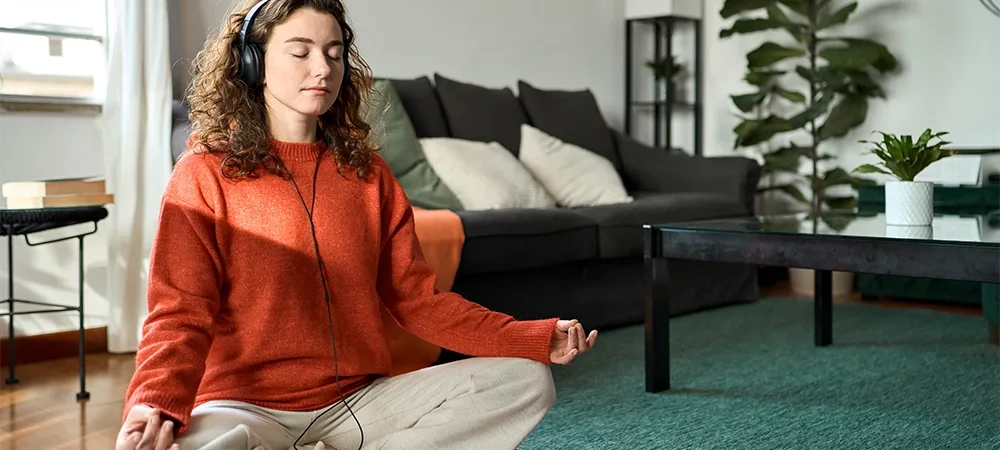
- Guided Meditation. Guided sessions provide structure and direction. These are helpful for beginners who find it difficult to focus on their own.
- Mindfulness Meditation. This involves observing thoughts, feelings, and sensations without judgment. It strengthens awareness and emotional control.
- Loving-Kindness Meditation. This practice focuses on self-compassion and forgiveness. It is particularly helpful for individuals dealing with guilt or shame in recovery.
- Movement-Based Meditation. Activities like yoga or walking meditation combine movement with awareness. These are ideal for individuals who struggle with stillness.
Related Article: How to Stop Drug Addiction: 10 Pillars of Recovery
Building a Sustainable Practice
Starting is easy. Staying consistent is the real challenge.
Here are practical ways to build a habit:
- Start with 5 to 10 minutes daily
- Choose a consistent time, such as morning or before bed
- Use guided apps or recordings if needed
- Create a quiet, distraction-free space
Consistency matters more than duration. Even short sessions can create lasting change over time.
Common Challenges and How to Overcome Them
Many people stop practicing because they believe they are “doing it wrong.” This is one of the biggest misconceptions.
“My Mind Won’t Stop Thinking”
This is normal. The goal is not to stop thoughts but to notice them and return to focus.
“I Don’t Have Time”
Mindfulness can be integrated into daily activities like eating, walking, or even brushing your teeth.
“It Feels Uncomfortable”
Sitting with emotions can feel difficult at first. Over time, it becomes easier and less overwhelming.
Recovery itself is uncomfortable at times. Mindfulness helps individuals build tolerance for that discomfort without turning to substances.
The Role of Environment in Mindfulness Practice
The environment plays a significant role in how easily individuals can practise mindfulness.
A calm and supportive setting helps reduce distractions and stress. This is why recovery centres that prioritize nature and peaceful surroundings often integrate mindfulness practices into daily routines.
Being in a serene space encourages reflection, emotional processing, and deeper engagement with meditation.
Combining Mindfulness With Professional Treatment
Mindfulness is not a replacement for professional treatment. It works best as part of a comprehensive recovery plan.
At facilities like , mindfulness is integrated with therapies such as:
- Cognitive behavioural therapy (CBT)
- Talk therapy
- Group support sessions
This combination addresses both the behavioural and emotional aspects of addiction.
Related Article: What Is the Role of Cognitive-Behavioural Therapy (CBT) in Addiction Treatment?
A Steady Mind Creates a Stronger Recovery
Sobriety requires more than willpower. It requires awareness, emotional balance, and the ability to handle discomfort without reacting.
Mindfulness and meditation provide practical tools to build these skills. They help individuals slow down, recognize patterns, and make healthier choices in real time.
Recovery becomes more stable when individuals learn how to sit with themselves without needing to escape.
If you or someone you care about is struggling with addiction, support is available. The right environment and tools can make recovery more sustainable. Reach out to The Farm Rehab to explore a personalized, holistic path to sobriety.

Frequently Asked Questions
What is the difference between mindfulness and meditation?
Mindfulness is a mental state of awareness in the present moment. Meditation is a practice used to develop that awareness. You can be mindful without meditating, but meditation helps strengthen mindfulness over time.
How long does it take for meditation to help with cravings?
Some people notice benefits within a few days, while others take a few weeks. Consistency matters more than duration. Even short daily sessions can gradually reduce the intensity of cravings.
Can mindfulness replace therapy in addiction recovery?
No. Mindfulness supports recovery but does not replace professional treatment. It works best alongside therapy, counselling, and structured programs that address deeper emotional and behavioural patterns.
Is meditation safe for everyone in recovery?
Meditation is generally safe, but some individuals may feel uncomfortable when facing strong emotions. In these cases, guided sessions or support from a therapist can make the process more manageable.
What is the best time of day to practice mindfulness?
There is no single best time. Many people prefer mornings to set the tone for the day or evenings to unwind. The most important factor is choosing a time you can stick to consistently.
Do I need experience to start meditation?
No experience is required. Beginners can start with simple breathing exercises or guided sessions. The focus should be on building a habit rather than doing it perfectly.

