Shopping Addiction Help

Break the Cycle of Compulsive Spending

Start Healthier Spending Habits

Break the Cycle of Compulsive Spending

Shopping addiction, also known as compulsive buying disorder, is a behavioural addiction characterised by an uncontrollable urge to shop and spend money, often leading to significant financial, emotional, and relational difficulties. This condition can severely impact a person’s self-control, causing distress and disrupting everyday life. At The Farm Rehab, we offer confidential and professional support tailored to each individual’s needs, providing structured treatment programs designed to help clients regain control over their spending habits and improve their overall well-being.

What Is Shopping Addiction?

Shopping addiction involves compulsive or uncontrollable buying behaviour where individuals experience temporary emotional relief from shopping, followed by feelings of guilt or distress. Over time, there is often an escalation in spending or frequency of purchases despite negative consequences. Due to its complex nature, professional help may be necessary to break this cycle and address underlying emotional triggers.


Get in Touch With Us
Shopping Addiction — Break the Cycle of Compulsive SpendingShopping addiction, also known as compulsive buying disorder, is a behavioural addiction characterised by an uncontrollable urge to shop and spend money, often leading to significant financial, emotional, and relational difficulties. This condition can severely impact a person’s self-control, causing distress and disrupting everyday life. At The Farm Rehab, we offer confidential and professional support tailored to each individual’s needs, providing structured treatment programs designed to help clients regain control over their spending habits and improve their overall well-being.What Is Shopping Addiction?Shopping addiction involves compulsive or uncontrollable buying behaviour where individuals experience temporary emotional relief from shopping, followed by feelings of guilt or distress. Over time, there is often an escalation in spending or frequency of purchases despite negative consequences. Due to its complex nature, professional help may be necessary to break this cycle and address underlying emotional triggers.
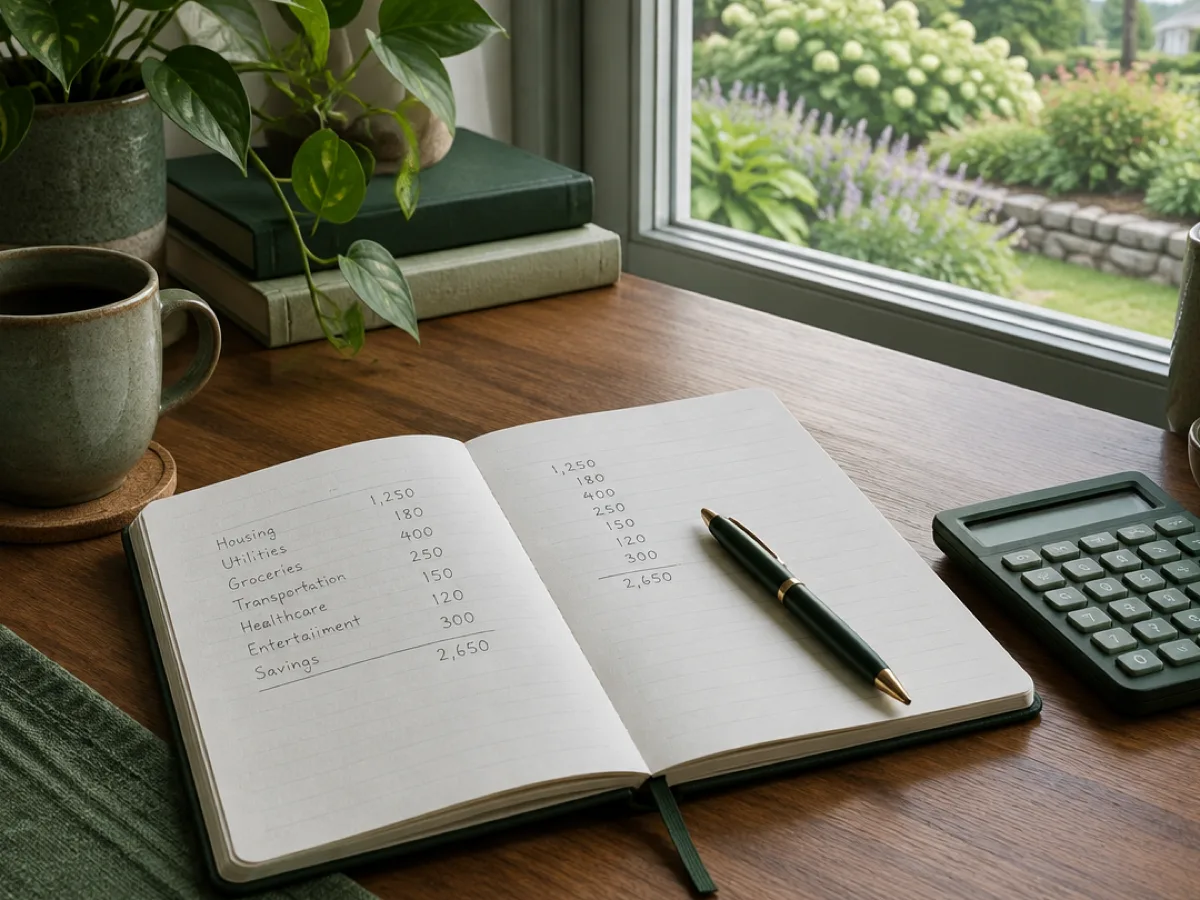
Shopping Addiction Signs and Symptoms

Several factors can contribute to the development of shopping addiction, including personality characteristics like being easily influenced or feeling lonely, as well as genetic, psychological, and social influences.

  • Persistent urges to shop despite harmful effects
  • Hiding purchases or financial activities from others
  • Irritability, restlessness, or anxiety when unable to shop
  • Accumulating debt or experiencing financial stress
  • Emotional distress, including shame or loss of control
  • Negative impact on relationships or work performance
Shopping Addiction — Shopping Addiction Signs and SymptomsSeveral factors can contribute to the development of shopping addiction, including personality characteristics like being easily influenced or feeling lonely, as well as genetic, psychological, and social influences.Persistent urges to shop despite harmful effectsHiding purchases or financial activities from othersIrritability, restlessness, or anxiety when unable to shopAccumulating debt or experiencing financial stressEmotional distress, including shame or loss of controlNegative impact on relationships or work performance

When to Seek Shopping Addiction Help

  • Repeated unsuccessful attempts to stop or reduce spending
  • Experiencing financial or emotional harm due to shopping
  • Using shopping as a coping mechanism for stress or negative emotions
  • Presence of co-occurring mental health or substance use concerns
  • Neglecting other responsibilities, such as work or family obligations

Our Approach to Shopping Addiction Treatment

Our care model includes:

  • Comprehensive assessment to understand individual needs
  • Individualised treatment planning tailored to clients
  • Trauma-informed, non-judgmental care environment
  • Addressing emotional triggers and compulsive shopping patterns

Therapies Used in Shopping Addiction Recovery

Cognitive Behavioural Therapy (CBT)

CBT targets unhealthy thought patterns and behaviours related to compulsive shopping, teaching practical skills to manage urges, reduce impulsive buying, and prevent relapse in a supportive environment.

Virtual Inpatient Outpatient Program

This flexible program offers structured treatment remotely, combining therapy, education, and support to help clients address shopping addiction while maintaining daily responsibilities and the comfort of home.

Impulse Control and Emotional Regulation Strategies

These techniques empower clients to recognise triggers, manage intense urges, and regulate negative emotions that drive compulsive spending, fostering healthier decision-making and emotional resilience.

Relapse Prevention and Behavioural Planning

Focused on sustaining recovery, this approach equips individuals with tools to identify high-risk situations, develop coping plans, and maintain long-term control over shopping behaviours.

Group Therapy

Group sessions provide peer support, shared experiences, and accountability, creating a safe space for individuals to discuss challenges, gain insights, and build motivation for overcoming shopping addiction together.

Book an Appointment
Shopping Addiction — Therapies Used in Shopping Addiction RecoveryCognitive Behavioural Therapy (CBT)CBT targets unhealthy thought patterns and behaviours related to compulsive shopping, teaching practical skills to manage urges, reduce impulsive buying, and prevent relapse in a supportive environment.Virtual Inpatient Outpatient ProgramThis flexible program offers structured treatment remotely, combining therapy, education, and support to help clients address shopping addiction while maintaining daily responsibilities and the comfort of home.Impulse Control and Emotional Regulation StrategiesThese techniques empower clients to recognise triggers, manage intense urges, and regulate negative emotions that drive compulsive spending, fostering healthier decision-making and emotional resilience.Relapse Prevention and Behavioural PlanningFocused on sustaining recovery, this approach equips individuals with tools to identify high-risk situations, develop coping plans, and maintain long-term control over shopping behaviours.Group TherapyGroup sessions provide peer support, shared experiences, and accountability, creating a safe space for individuals to discuss challenges, gain insights, and build motivation for overcoming shopping addiction together.

Shopping Addiction

Frequently Asked Questions About Shopping Addiction Treatment

Yes, shopping addiction can indirectly impact physical health. The chronic stress and anxiety caused by financial strain and emotional distress may lead to issues such as sleep disturbances, high blood pressure, or unhealthy eating habits. Addressing shopping addiction holistically can help improve both mental and physical well-being.

Impulse buying is a significant component of shopping addiction, where individuals make spontaneous purchases without planning or considering consequences. This behaviour often reinforces the addiction cycle by providing immediate emotional relief but leading to regret and financial problems later.

While retail therapy involves occasional shopping to improve mood, shopping addiction is characterised by compulsive spending that causes harm. Unlike casual shopping, addiction leads to loss of control, persistent urges to buy, and negative consequences in a person’s life.

Online support groups can be very effective by providing accessible peer support, shared experiences, and coping strategies. They offer a sense of community and reduce feelings of isolation, especially for those who may not have access to in-person groups.

Technology increases shopping addiction risk by enabling constant access to online stores, targeted ads, and easy purchasing. Features like one-click buying and flash sales encourage impulsive spending, making it harder to control compulsive shopping behaviours.

Yes, adopting healthy habits like regular exercise, budgeting routines, and limiting exposure to online ads can reinforce recovery. Building hobbies and social connections also reduces reliance on shopping as an emotional escape.

The duration of treatment for shopping addiction varies depending on the individual’s needs, the severity of the addiction, and the chosen treatment approach. Some people may benefit from short-term interventions, while others may require ongoing support.

Inpatient care is not necessary for shopping addiction. Most individuals benefit from outpatient therapy and support groups. However, inpatient care may be recommended in severe cases or when co-occurring mental health issues are present.

Yes, shopping addiction can co-occur with other mental health issues such as depression, anxiety, and substance use disorders. Materialism, low self-esteem, and a tendency to seek approval from others can also influence the development and persistence of shopping addiction.

Supporting a loved one with shopping addiction involves encouraging them to seek professional help, offering emotional support, and helping them set healthy boundaries. Be aware that shopping addiction can lead to financial strain, legal risks, physical consequences such as sleep disorders, and social challenges.

Shopping Addiction and Co-Occurring Disorders

Many clients with shopping addiction also face co-occurring mental health conditions such as anxiety disorders, depression, PTSD, and substance use disorders. Addressing these psychiatric comorbidities through integrated dual-diagnosis treatment helps tackle the underlying emotional roots and promotes effective coping strategies for lasting recovery and improved personal relationships.

Why Choose The Farm Rehab

  • Professional, non-judgmental environment
  • Respect for personal and financial sensitivity
  • Licensed and experienced clinical team
  • Expertise in behavioural addiction treatment
  • Integrated mental health and addiction care
  • Calm, supportive environment near Toronto

Get Shopping Addiction Help Today

Take the first step towards recovery at The Farm Rehab. Request a consultation with our team to receive professional guidance and start your journey to regain control over your spending habits and enhance your overall well-being.

Take the First Step to a Shopping Addiction-Free Life
Shopping Addiction — Why Choose The Farm RehabProfessional, non-judgmental environmentRespect for personal and financial sensitivityLicensed and experienced clinical teamExpertise in behavioural addiction treatmentIntegrated mental health and addiction careCalm, supportive environment near TorontoGet Shopping Addiction Help TodayTake the first step towards recovery at The Farm Rehab. Request a consultation with our team to receive professional guidance and start your journey to regain control over your spending habits and enhance your overall well-being.

Reach Out to Us

Start Your Path to Addiction Recovery Now

Join us at The Farm Rehab, a residential addiction treatment centre in Stouffville, Ontario. Start transforming your life today with our comprehensive and personalized addiction recovery programs.

Get In Touch With Us